

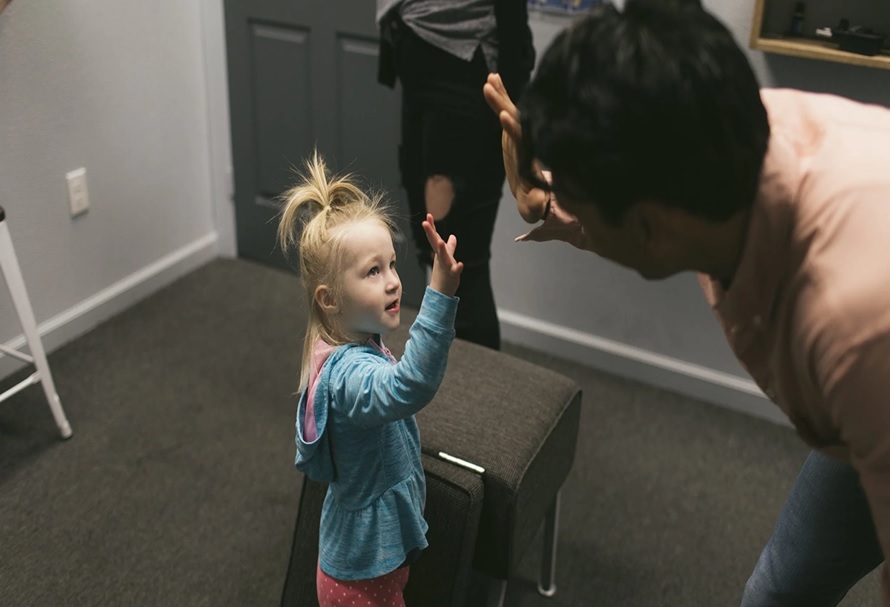
Parents naturally have questions whenever they consider a new type of healthcare service for their child. They may want to understand what an appointment involves, why an evaluation is performed, what information they should provide, and whether the service is appropriate for their child’s specific concern. These questions are especially important when exploring pediatric chiropractic care, which should be approached according to a child’s age, health history, symptoms, and individual needs.
Parents who want to learn more about available chiropractic services can visit https://verticalchiroflorida.com/. Before any care is considered, parents should have an opportunity to discuss their child’s health history and the reason for the visit. Chiropractic services should complement appropriate pediatric healthcare rather than replace regular checkups, medical diagnosis, vaccinations, emergency care, or treatment recommended by a child’s pediatrician.
Children Are Not Simply Smaller Adults
Children’s bodies change significantly as they grow, which is one reason healthcare decisions should be age appropriate.
A young child has different physical needs from a teenager, and both differ from an adult. Growth, development, activity level, medical history, and previous injuries can all provide important context when a child is being evaluated for a musculoskeletal concern.
Parents should feel comfortable asking how an assessment or proposed approach is adapted for their child’s age.
They should also provide accurate information about existing medical conditions, medications, previous injuries, surgeries, and other healthcare their child is receiving.
Start by Understanding the Reason for the Visit
Before scheduling an appointment, it helps to identify what prompted the consideration of chiropractic services.
Perhaps a child has mentioned discomfort related to certain movements. An older child or teenager may participate in sports and have a musculoskeletal concern. Parents may also have questions after noticing changes in movement or physical activity.
Whatever the reason, the goal should be evaluation rather than assuming a particular service is automatically necessary.
A healthcare professional needs enough information to determine whether the concern is within their scope of practice or should first be evaluated elsewhere.
Expect Questions About Health History
A health history provides important context for pediatric chiropractic care.
Parents may be asked about the child’s current symptoms, previous injuries, medical conditions, medications, physical activities, and other relevant information. Depending on the child’s age, they may also be able to describe how they feel and which activities make a concern more noticeable.
Parents should not hesitate to mention details they think could be relevant.
It is generally better to provide a complete picture than to leave out information because it does not seem directly connected to the current complaint.
Consider a Child’s Everyday Activities
Children can have surprisingly busy physical routines.
School may involve sitting at a desk for portions of the day, carrying belongings, participating in physical education, and moving between classrooms. Outside school, children may participate in organized sports, dance, recreational activities, or active play.
Teenagers may add strength training, running, or more competitive athletics to that schedule.
Understanding these activities can help provide context when a child reports musculoskeletal discomfort. It can also help parents recognize whether a concern repeatedly appears during a particular movement or activity.
Sports Can Change Physical Demands
Young athletes may practice several times each week in addition to games or competitions.
Different sports place different demands on the body. Running, jumping, throwing, swimming, gymnastics, and contact sports involve distinct movement patterns.
Gradual training progression, appropriate coaching, adequate recovery, and attention to pain are important.
Persistent or significant pain should not simply be treated as an expected part of playing sports. Depending on the symptoms and circumstances, a pediatrician, sports medicine physician, physical therapist, or another qualified healthcare professional may need to be involved.
Communication Should Be Age Appropriate
Children should understand what is happening during a healthcare visit at a level appropriate for their age.
A provider can explain the evaluation in simple terms and give the child an opportunity to ask questions or describe what they are experiencing.
Parents should also feel comfortable asking questions.
When discussing pediatric chiropractic care, they can ask why a particular approach is being considered, what it is intended to address, what alternatives exist, and whether coordination with the child’s pediatrician or another healthcare professional is appropriate.
Clear communication helps parents make informed healthcare decisions.
Chiropractic Care Should Not Replace Pediatric Medical Care
Children still need routine medical care regardless of whether their parents choose to explore chiropractic services.
Regular pediatric visits help monitor growth and development and address preventive healthcare needs. Pediatricians also evaluate illnesses, injuries, and symptoms that require medical diagnosis or treatment.
Chiropractic services should not be used as a substitute for this care.
Parents should be particularly cautious about claims suggesting that chiropractic services can prevent or cure childhood illnesses or replace established medical treatment. Decisions about a child’s healthcare should be based on appropriate clinical evaluation and reliable medical guidance.
Know Which Symptoms Need Prompt Medical Evaluation
Some symptoms should be evaluated medically rather than managed through a routine chiropractic appointment.
A significant fall or injury, severe or worsening pain, difficulty walking, unexplained weakness, substantial numbness, breathing difficulty, fever with concerning symptoms, unusual behavior or alertness, or other sudden changes may require prompt medical attention.
Parents should contact an appropriate healthcare professional when they are uncertain about the seriousness of a child’s symptoms.
Emergency symptoms should receive emergency medical care.
Identifying the appropriate type of care is more important than trying to fit every concern into one healthcare approach.
Parents Should Feel Comfortable Asking Questions
Healthcare decisions for children deserve careful consideration.
Parents can ask about the provider’s experience working with children, what an evaluation includes, why a particular service is being proposed, and what they should expect afterward.
They can also ask when chiropractic services would not be appropriate.
A healthcare professional should be willing to discuss limitations and recommend another provider when a child’s needs fall outside their scope.
Parents should never feel pressured to proceed with care before they understand what is being recommended.
Keep Other Healthcare Providers Informed
Communication between healthcare professionals can be valuable when a child receives care from multiple providers.
Parents can tell their child’s pediatrician about other healthcare services being considered or received, particularly when the child has an existing medical condition, ongoing symptoms, or a recent injury.
Likewise, relevant recommendations or restrictions from a pediatrician or specialist should be shared during a chiropractic evaluation.
This helps ensure that pediatric chiropractic care, when appropriate, is considered within the child’s broader healthcare picture rather than separately from it.
Make Informed Decisions About Your Child’s Care
Parents do not need to have every answer before scheduling an evaluation. They do, however, deserve clear information about what is being proposed and why. A child’s age, health history, symptoms, activities, development, and existing medical care should all be considered before determining whether pediatric chiropractic care is appropriate.
Parents interested in discussing chiropractic services for their child can speak with Vertical Chiropractic Sarasota about the evaluation process and available options. When questions involve a child’s medical condition, illness, significant injury, or development, their pediatrician or another appropriate medical professional should remain an important part of the healthcare conversation.