

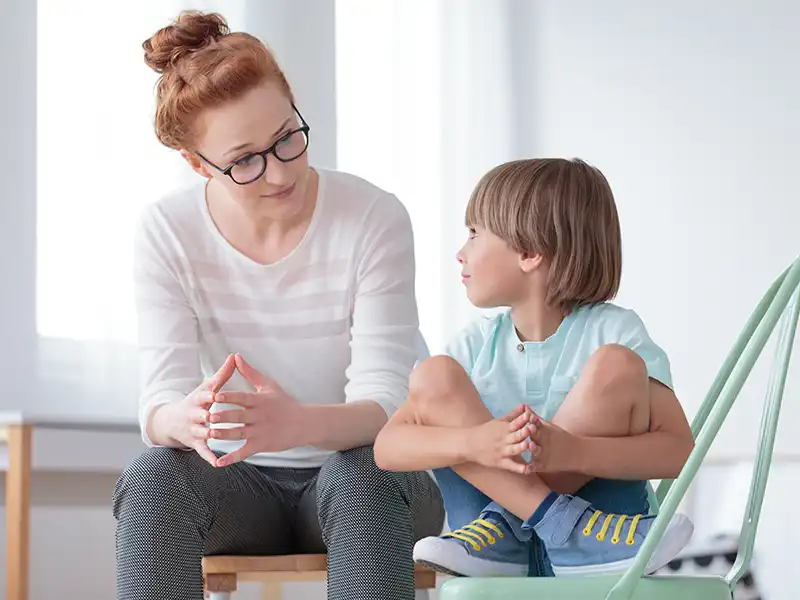
Healthy boundaries help children understand who they are, how to protect themselves, and how to interact respectfully with others. When kids learn boundaries early, they gain confidence, emotional awareness, and stronger relationship skills that last into adulthood. Teaching boundaries isn’t about control—it’s about empowerment, safety, and mutual respect.
Boundaries grow through everyday conversations, consistent guidance, and supportive modeling.
What Healthy Boundaries Mean for Kids
Boundaries are limits that protect a child’s physical, emotional, and mental well-being. They help kids understand what feels okay and what doesn’t.
Healthy boundaries allow children to:
- Recognize and express their needs
- Respect the limits of others
- Feel safe saying no
- Build self-respect and confidence
- Navigate social situations with clarity
These skills develop gradually with guidance and practice.
Start With Body Boundaries
Teaching body boundaries is a foundational step in helping kids feel safe and confident.
Key lessons include:
- Their body belongs to them
- They can say no to unwanted touch
- They should tell a trusted adult if something feels wrong
- Not all touch is appropriate, even from familiar people
Using clear, age-appropriate language helps children understand without fear.
Teach Kids to Name and Express Feelings
Children who can identify emotions are better able to set emotional boundaries. When kids understand how they feel, they can communicate limits more clearly.
Support emotional expression by:
- Helping kids name their feelings
- Validating emotions without judgment
- Encouraging honest communication
- Modeling calm emotional expression
Emotional awareness strengthens boundary-setting skills.
Normalize Saying “No”
Many children are taught to be polite at all costs, which can make boundary-setting difficult. Kids need to know that saying no is sometimes necessary and healthy.
Teach that:
- It’s okay to say no respectfully
- No doesn’t require a long explanation
- Discomfort is a valid reason to decline
- Respect goes both ways
Practicing simple phrases builds confidence.
Use Everyday Situations to Practice Boundaries
Daily life offers many natural opportunities to teach boundaries.
Examples include:
- Taking turns during play
- Respecting personal space
- Asking before borrowing items
- Speaking up when something feels unfair
Guiding kids through these moments helps skills stick.
Model Healthy Boundaries Yourself
Children learn boundaries by watching adults. How you handle your own limits sends a powerful message.
Model healthy boundaries by:
- Saying no when needed without guilt
- Respecting children’s feelings and space
- Communicating limits calmly and clearly
- Avoiding over-explaining or apologizing excessively
Your behavior teaches as much as your words.
Teach Respect for Others’ Boundaries
Healthy boundaries aren’t just about protecting oneself—they’re also about respecting others.
Help kids learn to:
- Listen when someone says no
- Notice body language and cues
- Ask for consent during play
- Stop behaviors when asked
Respect is a two-way skill.
Encourage Questions and Ongoing Conversations
Boundary learning isn’t a one-time lesson. Kids benefit from open, ongoing discussions as situations become more complex.
Create space for:
- Questions without judgment
- Revisiting topics as kids grow
- Talking through social challenges
- Adjusting guidance with age and maturity
Consistency builds confidence.
Avoid Shaming or Forcing Compliance
Forcing children to comply with uncomfortable situations can weaken their trust in their own instincts.
Instead:
- Respect reasonable refusals
- Offer choices when possible
- Explain expectations calmly
- Support autonomy within safe limits
Trust strengthens boundary awareness.
Be Patient With the Learning Process
Setting boundaries is a skill that takes time to develop. Children may struggle, forget, or feel unsure at times.
Remember:
- Practice builds confidence
- Gentle reminders are normal
- Progress matters more than perfection
- Support helps boundaries feel safe
Patience allows growth.
Final Thoughts
Teaching kids healthy boundaries equips them with tools for safety, confidence, and respectful relationships. Through clear communication, consistent modeling, and emotional support, children learn that their needs matter and that respecting others is equally important. These lessons form a strong foundation for lifelong emotional well-being.
Frequently Asked Questions (FAQs)
1. At what age should kids start learning about boundaries?
Boundary education can begin in early childhood through simple concepts like personal space and choice.
2. How do I teach boundaries without making kids fearful?
Use calm, age-appropriate language and focus on empowerment rather than danger.
3. What if my child struggles to say no to friends?
Practice role-playing scenarios and reinforce that friendships should respect boundaries.
4. Should kids always obey adults, even if uncomfortable?
Children should learn to respect adults while also trusting their instincts and speaking up when something feels wrong.
5. How do boundaries change as children grow older?
Boundaries become more complex, shifting toward emotional, digital, and social situations over time.
6. What if my child doesn’t respect others’ boundaries?
Gently correct behavior, explain the impact, and practice respectful alternatives.
7. How can schools and parents support boundary learning together?
Open communication and consistent messages between home and school reinforce healthy boundary skills.