


Confidence is not something children are born with fully formed—it is built gradually through experiences, relationships, and daily interactions. When kids believe in themselves, they are more willing to try new things, handle setbacks, and express who they are without fear. Helping children develop confidence early lays a strong foundation for emotional health, resilience, and lifelong growth.
Building confidence doesn’t require constant praise or pushing children to excel. It comes from support, trust, and meaningful encouragement woven into everyday life.
What Confidence Looks Like in Children
Confidence shows up in many quiet, everyday ways. A confident child doesn’t mean a loud or fearless one—it means a child who feels secure in their abilities and worth.
Common signs of healthy confidence include:
- Willingness to try new activities
- Comfort asking questions or seeking help
- Ability to recover from mistakes
- Expressing opinions respectfully
- Feeling valued and capable
These traits develop best in environments where children feel safe and supported.
Focus on Effort, Not Just Outcomes
One of the most effective ways to build confidence is by praising effort rather than results. When children learn that trying matters more than winning or being perfect, they become more resilient.
Helpful ways to encourage effort:
- Acknowledge hard work and persistence
- Comment on strategies they used
- Normalize mistakes as part of learning
- Avoid comparing them to others
This approach teaches children that growth comes from practice, not perfection.
Encourage Independence in Small Steps
Confidence grows when children feel capable of doing things on their own. Offering age-appropriate independence sends the message: I trust you.
Ways to support independence:
- Let young children make simple choices
- Encourage kids to solve minor problems before stepping in
- Assign small responsibilities at home
- Allow them to experience manageable challenges
Even small successes build a strong sense of capability.
Create a Safe Space for Expression
Children gain confidence when they know their thoughts and emotions matter. Listening without judgment helps them feel valued and understood.
To foster emotional safety:
- Listen attentively without rushing to fix
- Validate feelings, even when correcting behavior
- Encourage open conversations
- Model respectful communication
When kids feel heard, they are more likely to speak up and trust themselves.
Teach Kids How to Handle Mistakes
Mistakes are a natural part of learning, yet many children fear them. Helping kids see mistakes as opportunities reduces anxiety and builds confidence.
You can help by:
- Sharing your own mistakes and lessons learned
- Avoiding harsh reactions to errors
- Encouraging reflection instead of blame
- Highlighting improvement over time
This mindset helps children bounce back and keep trying.

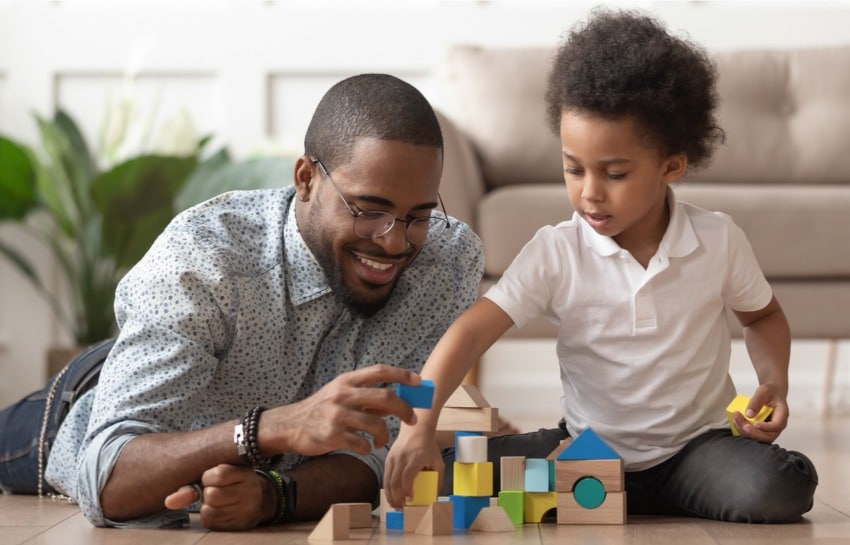

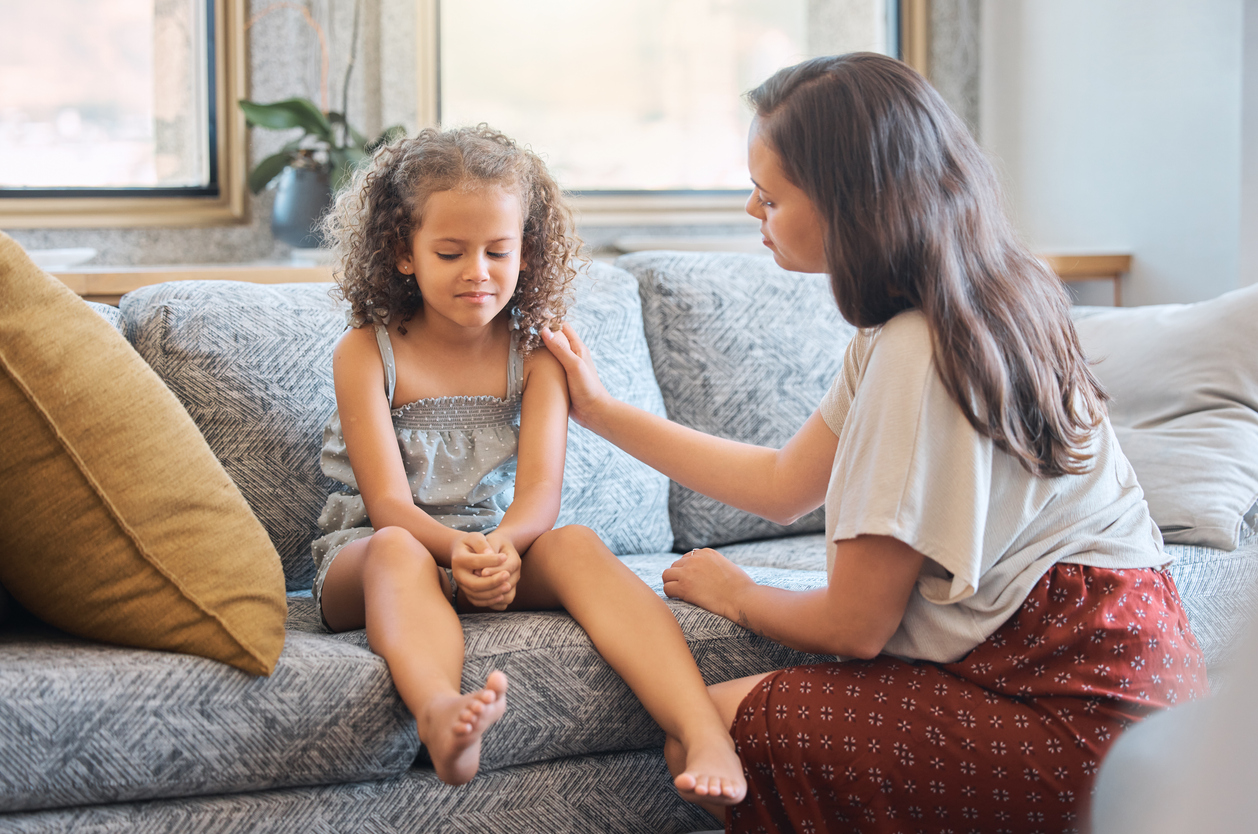
Offer Genuine and Specific Praise
Praise is most effective when it is specific and sincere. Instead of general compliments, focus on what the child actually did.
Examples of meaningful praise:
- “You stayed focused even when it was hard.”
- “I noticed how kind you were to your friend.”
- “You practiced a lot, and it showed.”
This type of feedback helps children understand why they succeeded.
Model Confidence Through Your Own Behavior
Children learn confidence by watching the adults around them. How you handle stress, mistakes, and challenges sets a powerful example.
Model confidence by:
- Speaking positively about yourself
- Trying new things without fear of failure
- Handling setbacks calmly
- Showing self-respect and healthy boundaries
When children see confidence modeled, they learn to practice it themselves.
Support Social Skills and Relationships
Positive social experiences play a major role in confidence building. Friendships teach cooperation, empathy, and self-expression.
Ways to support social confidence:
- Encourage cooperative play
- Teach basic communication and problem-solving skills
- Help kids navigate conflicts calmly
- Avoid over-managing peer interactions
Social confidence grows with practice and guidance.
Be Patient With the Process
Confidence develops over time and looks different for every child. Some children build it quickly, while others need more reassurance and repetition.
Remember:
- Avoid labeling children as “shy” or “insecure”
- Celebrate progress, no matter how small
- Offer consistent encouragement
- Allow confidence to grow at its own pace
Patience and consistency make all the difference.
Final Thoughts
Helping kids build confidence from an early age is about creating a supportive environment, not pushing for constant success. Through encouragement, independence, emotional safety, and positive role modeling, children learn to trust themselves and face the world with courage. These early lessons shape how they approach challenges, relationships, and opportunities for years to come.
Frequently Asked Questions (FAQs)
1. At what age does confidence start to develop in children?
Confidence begins forming in early childhood through everyday interactions, encouragement, and secure relationships.
2. Can too much praise harm a child’s confidence?
Yes. Overpraising or praising without meaning can reduce motivation. Specific, effort-based praise is more effective.
3. How can parents help shy children build confidence?
By respecting their temperament, encouraging small social steps, and avoiding pressure or negative labels.
4. Does confidence differ between boys and girls at young ages?
Confidence can vary individually. Social expectations, environment, and encouragement play a larger role than gender.
5. How do extracurricular activities affect confidence?
Activities can boost confidence when they focus on enjoyment, skill-building, and personal growth rather than competition.
6. What role does failure play in confidence building?
Failure teaches resilience. Learning to recover from setbacks strengthens long-term confidence.
7. How can parents support confidence during school challenges?
By offering encouragement, helping with problem-solving, and emphasizing effort and progress over grades.