

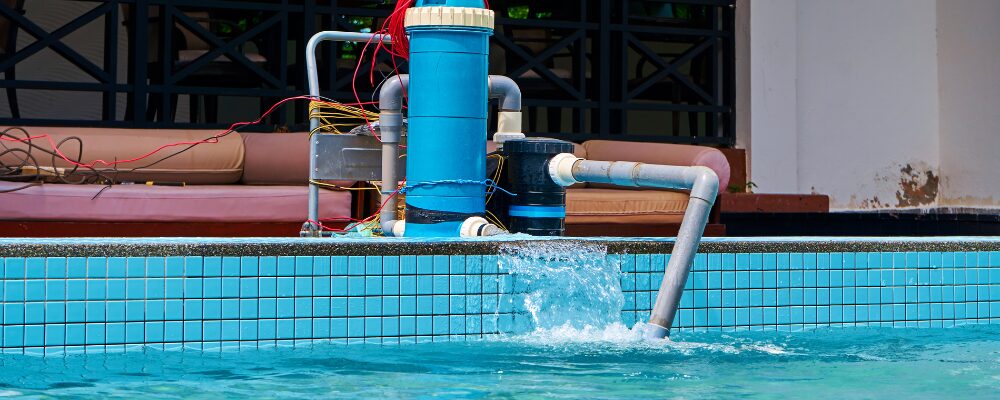
Most pool chemistry problems aren’t chemistry problems. They’re circulation problems. For instance, if you keep getting algae, your water remains cloudy even though the chemical balance is right, or one particular spot never seems to get enough sanitizer, then it’s time to look at your filter, not reach for the chlorine.
Chemistry in Extreme Conditions
Warm temperatures, as well as high bather loads, put pressure on everything, you use more chemicals, the TDS (Total Dissolved Solids) in the water increase at a faster rate, and it’s easier for your pool or spa to get out of balance. When your TDS gets high enough, your sanitiser, no matter how much you put in, won’t work properly as the dissolved solids interfere with the chemistry.
During summer peaks, pool maintenance perth professionals carry the equipment and regional experience to run chemical audits that catch TDS and balance issues before they cascade into bigger problems.
The filter is the starting point for all of this. Get it working properly, and chemistry becomes much easier to manage.
Your Filter Gauge is Telling You Something
The pressure gauge on your filter is the most valuable diagnostic tool you’ve got, and you probably never look at it. The baseline rule is simple: if your pressure reading climbs 8-10 PSI above the clean starting pressure, the filter is clogged enough to restrict flow. Water is moving through your system more slowly, particles aren’t being captured efficiently, and the pump is working harder than it needs to.
Write down your clean baseline PSI the next time you start fresh after a backwash or cartridge rinse. That’s your PSI. Without it, you’re guessing.
High pressure usually means the filter is dirty. Low pressure, below baseline, often points to a blockage on the intake side. The skimmer basket is the usual suspect; a packed skimmer basket cuts flow before water even reaches the pump, and the pump’s impeller can catch whatever the basket misses, grinding down to partial blockage over weeks.
When Backwashing Isn’t Enough
Although backwashing is necessary, it’s not a complete solution. Backwashing a sand or DE filter by reversing the water flow dislodges trapped particles, but it won’t remove the oils, sunscreen residue, and mineral scale that accumulates and binds between the sand grains or the DE fabric over a season. These coatings alter the filter’s performance at a microscopic level, allowing particles as large as 15-20 microns to pass right through the filter, which often accounts for the bulk of your pool water cloudiness.
A chemical degreaser soak, at least once a season, dissolves the gunk that backwashing won’t dislodge. For a cartridge filter this means soaking the element overnight in a diluted cleaner, and then rinsing thoroughly before reinstalling. If you aren’t certain your chemicals are reaching your water, this is the first thing to suspect.
The Physics of Dead Spots
Return jets serve the purpose of pushing water back into the pool. The direction they are pointed helps determine how well circulation moves the whole volume of water. Straight out they break the pool’s surface for skimming action, but leave the floor and corners pretty much alone. That’s where dirt and algae build up.
The better approach is to angle the eyeballs slightly down and set them to provide a good, wide circulation pattern that moves the most wall and floor water toward the drain. Sanitizers sanitize pool surfaces but they can only kill filtered microscopic organisms when they’re in the flowing water. A dead spot doesn’t get sanitized, and “grows” bugs irrespective of the sanitizers in use.
Steps, ledges, and tanning shelves are natural dead spots. If you can’t direct a return jet toward them, a small circulation pump or regular brushing breaks up stagnant water before it becomes a problem.
Running the Pump Smarter, Not Longer
Taking it further, you can cut the run time by several hours more if the pump runs more slowly during those hours, some variable-speed pumps let you schedule multiple RPM settings. Run at super-low speed during off-peak hours for circulation and turnover. Run at higher RPM or override for specific windows of cleaning, heating, and recreation.
These types of schedules require getting to know your pool first though, contact time for turnover is just part of the equation. Pool size, plumbing, and jets all have to be accounted for when setting RPMs. New pumps come with performance curves to help you map this out. A reputable installer can also recommend calibrations and show you savings by testing your plumbing’s pressure and flow.