

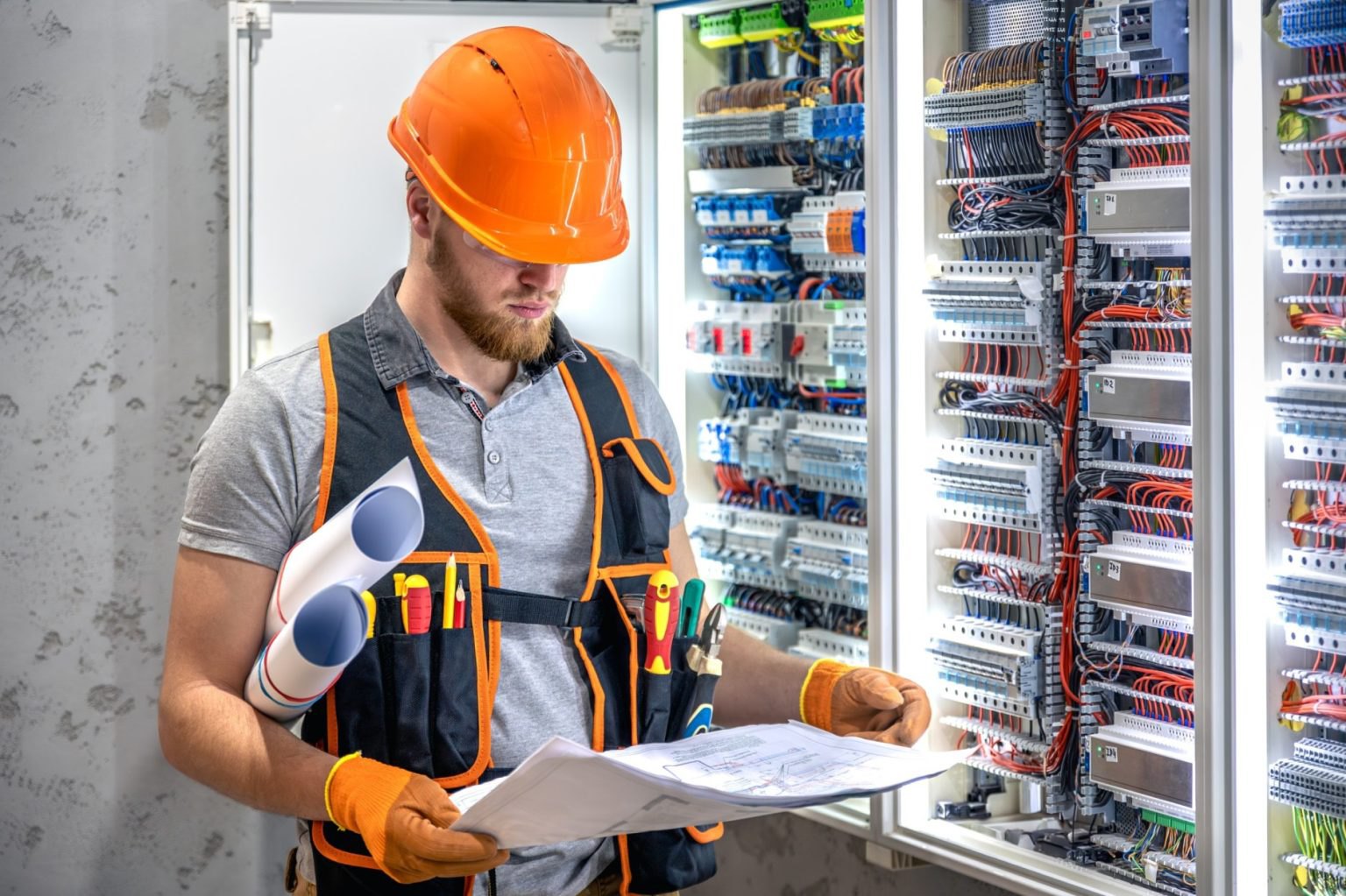
Thailand’s infrastructure is developing rapidly, from high-rise condominiums in Bangkok to advanced industrial estates in the Eastern Economic Corridor (EEC). Behind every functional building or factory lies a complex network of power distribution, lighting, and safety mechanisms. Ensuring these systems work harmoniously requires specialised knowledge. Proper planning prevents power outages, reduces fire risks, and ensures energy efficiency in a tropical climate where air conditioning is a massive power drain.
When planning a new construction project or upgrading an existing facility, finding the right partner is essential. An experienced electrical design company will look beyond simple wiring diagrams. They focus on load calculations, energy conservation strategies, and compliance with local regulations like the Thai Electrical Code. This level of detail is necessary to handle the specific challenges of the region, such as voltage fluctuations and high humidity, which can affect equipment longevity.
Services offered by these professionals cover a wide range of needs. The primary service is usually power distribution design. This involves mapping out how electricity travels from the main utility connection to every outlet, machine, and light fixture in the building. Engineers calculate the expected load to ensure circuits are not overloaded, which is a common cause of electrical fires. In Thailand, where older buildings often struggle with modern power demands, retrofitting these designs into existing structures is a vital service for safety and compliance.
Another crucial service is lighting design. It goes beyond aesthetics; it involves calculating the correct lux levels for different workspaces to ensure safety and productivity. With the rising cost of electricity in Southeast Asia, designers are increasingly prioritising LED integration and smart lighting controls. These systems use sensors to adjust brightness based on natural light availability, significantly lowering operational costs for commercial buildings and factories.
Fire alarm and detection system design is also a non-negotiable aspect of modern electrical planning. Thailand has strict regulations regarding fire safety in public and commercial buildings. Professional designers create integrated systems that link smoke detectors, heat sensors, and manual pull stations directly to building management systems. This integration ensures a rapid response in emergencies, protecting both property and lives.
Protection against lightning is another specific requirement for the region. Thailand experiences frequent thunderstorms during the monsoon season. A comprehensive electrical design must include lightning protection systems and surge suppression devices. These measures divert high-voltage strikes safely into the ground, preventing damage to sensitive electronic equipment and servers. Without this, businesses risk losing valuable data and facing expensive hardware replacements.
Finally, energy efficiency consulting has become a standard offering. As sustainability goals become more important for businesses in Thailand, electrical designers now provide detailed energy audits. They analyse usage patterns and suggest improvements, such as installing variable speed drives for motors or upgrading transformers. These changes help facilities meet green building standards like LEED or TREES (Thai Rating of Energy and Environmental Sustainability), which can increase property value and reduce long-term expenses.
Effective electrical design is the backbone of any safe and functional building. By utilising these specialised services, property owners can ensure their systems are robust, compliant, and ready to handle future demands.