

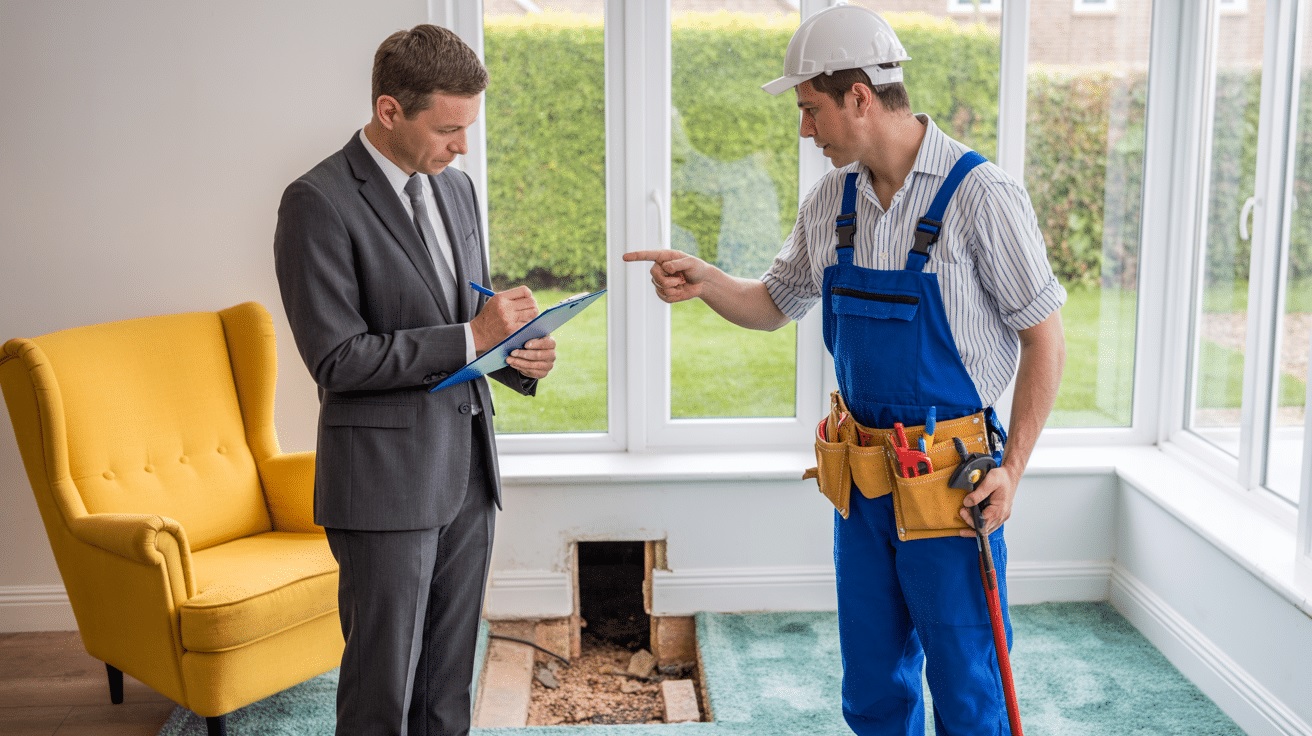
Cold rooms, misted panes and draughts around tired frames can quickly make a house feel less comfortable, especially through a Scottish winter. For many homeowners researching Double glazed windows Stirling, the decision is often driven by a mix of warmth, appearance and the need to improve the home without spoiling its character.
Stirling has a broad range of housing, from older stone-built properties and traditional terraces to modern estates and rural homes on the edge of town. That variety means window replacement should never feel like a standard exercise. The right choice depends on the age of the property, the style of the frontage, the condition of the existing frames and how the rooms are used day to day.
Comfort Is Often The First Sign Something Needs To Change
Many homeowners notice window problems before they see them clearly. A room may feel colder near the glass. Curtains may move slightly when the wind picks up. Condensation may appear regularly, or the heating may seem to work harder than it should.
Older single glazing or failed double glazed units can allow heat to escape more easily. In homes with high ceilings, exposed positions or larger window openings, the effect can be even more noticeable. Replacing poor-performing windows can help rooms feel more stable in temperature, particularly in living rooms, bedrooms and home offices.
It is important, though, to think about the whole property. Windows are one part of energy efficiency, alongside loft insulation, wall construction, ventilation and heating controls. Good glazing helps, but it works best as part of a sensible approach to the building.
Style Should Suit The Property
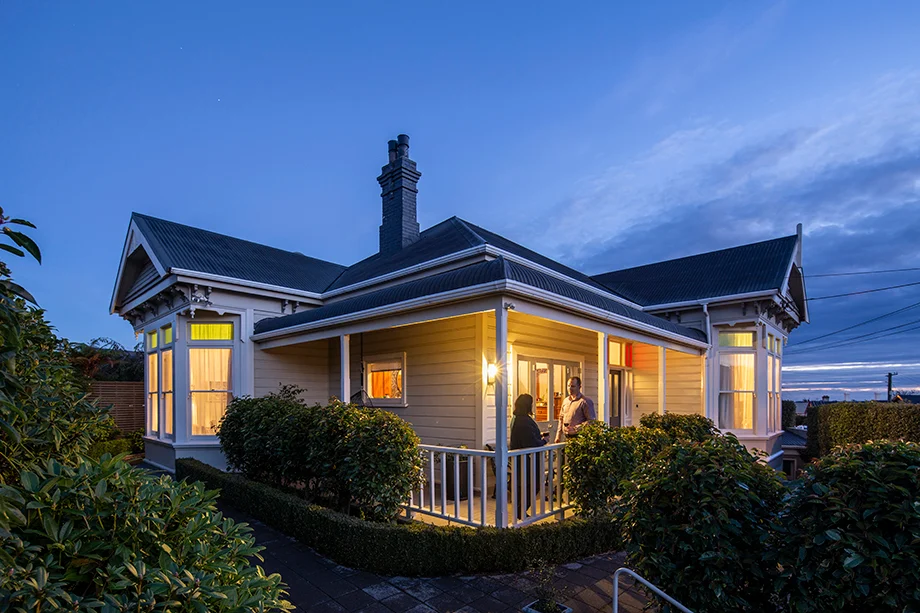
Window style has a big influence on kerb appeal. In Stirling, where many streets have a strong architectural identity, choosing the wrong frame shape, colour or opening style can make a property look less balanced.
Traditional homes may suit sash-style designs, slimmer profiles or glazing patterns that reflect the original proportions. Newer homes may work better with clean casement windows or simple contemporary finishes. Colour also matters. White remains common, but darker shades or woodgrain finishes can suit some properties when chosen carefully.
The goal is not always to copy the original windows exactly, but the replacement should respect the building. A good window should look as though it belongs there.
Weather Resistance Matters In Scotland
Windows in Stirling need to deal with wind, rain, cold snaps and changing conditions throughout the year. A product that looks fine in a showroom still needs to perform once fitted to a real house.
Installation quality is critical. Poor sealing, inaccurate measuring or weak finishing can lead to draughts, water ingress and uneven operation. A well-made window will not perform properly if it is badly installed.
Ventilation should also be considered. Modern windows reduce uncontrolled draughts, but homes still need managed airflow to help reduce condensation and support indoor air quality. This is particularly relevant in bedrooms, kitchens and bathrooms.
Security And Ease Of Use Should Not Be Overlooked
Modern windows can improve security as well as comfort. Locking systems, frame strength, toughened glass where required and secure opening mechanisms all contribute to peace of mind.
Ease of use matters too. Windows should open smoothly, be simple to clean and suit the room. For upper floors, easy-clean hinges may be useful. For ground-floor rooms near pavements or neighbouring properties, privacy and opening position may need more thought.
A good replacement window should feel practical every day, not just attractive on installation day.
A Decision Worth Taking Carefully
Replacing windows is a significant home improvement, so it is worth considering appearance, performance, installation and long-term maintenance before making a decision. The cheapest option is not always the best value if it looks wrong, performs poorly or needs attention sooner than expected.
Well-chosen double glazed windows can make a Stirling home warmer, quieter and more comfortable while still respecting its character. The best results come from matching the window to the building, rather than treating every property in the same way.